How to Fix Droopy Eyelids and When Surgery Is the Answer
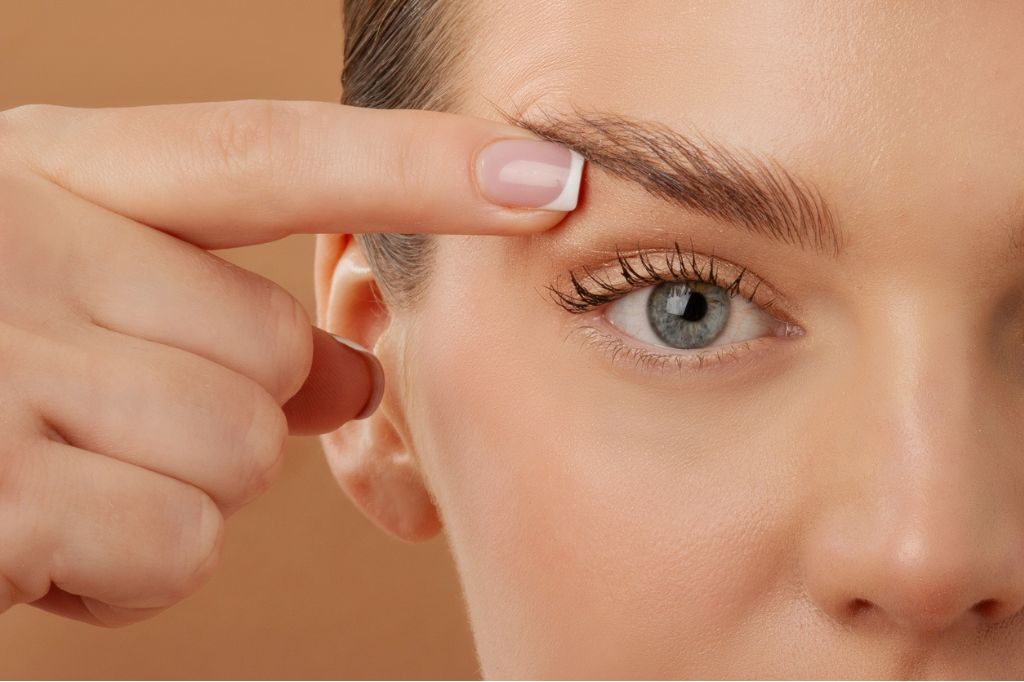
If you’ve noticed that your upper eyelids look heavier than they used to, or people keep asking whether you’re tired when you feel perfectly fine, you may be dealing with a droopy eyelid. For some people, the concern is mainly cosmetic. For others, the drooping has become significant enough to block part of their field of vision, making it harder to drive, read, or move through daily life comfortably.
A droopy eyelid, known medically as ptosis (pronounced TOE-sis), is far more common than most people realize. According to the American Academy of Ophthalmology, ptosis can affect people of any age, though it becomes increasingly common with age. The good news is that drooping eyelids are very treatable. For patients who qualify, one of several surgical procedures can produce results that are both lasting and life-improving.
At Cascade Eye & Skin Centers, our oculoplastic surgeons specialize in eyelid conditions and have helped patients throughout the South Sound region restore both the function and appearance of their eyes. Whether your concern is cosmetic or your vision has been affected, understanding your options is the right first step.
What Is a Droopy Eyelid?
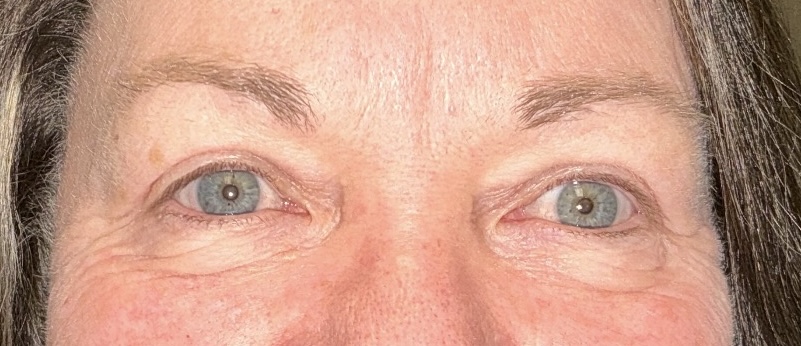
The upper eyelid is lifted by a muscle called the levator palpebrae superioris. This muscle contracts to open your eye each time you look forward. When that muscle stretches or weakens, the lid begins to sag lower than it should. Excess skin on the eyelid can have the same effect. Depending on severity, it may partially or fully cover the pupil. The pupil is the dark circle at the center of the eye through which light enters.
Ptosis vs. Excess Eyelid Skin: Understanding the Difference
Two distinct conditions are often grouped under the label ‘droopy eyelid.’ They function differently and sometimes require different treatment approaches. True ptosis refers specifically to a weakness or stretching of the levator muscle, which prevents the eyelid from lifting fully. Dermatochalasis is the buildup of excess skin on the upper eyelid that creates a heavy, hooded appearance. This happens even when the muscle itself is functioning normally. Many adults have both conditions at the same time. A thorough evaluation by an oculoplastic specialist will determine which one, or which combination, is driving your symptoms.
How a Droopy Eyelid Affects Vision and Daily Life
When the eyelid droops low enough to encroach on the pupil, it begins to cut off the upper portion of your visual field. This makes everyday tasks like driving and reading harder than they should be. Patients often compensate without realizing it. They lift their eyebrows to raise the lid or tilt their head back to see clearly. Over time, these unconscious habits can contribute to forehead tension, headaches, and neck fatigue. Beyond the physical effects, many patients report that heavy eyelids affect their confidence. Drooping lids often make a person look older or persistently tired.
What Causes Droopy Eyelids?
Droopy eyelids rarely appear overnight. In most adults, the condition develops slowly over many years, which is partly why many people don’t notice a problem until it becomes significant. Several factors can contribute, and identifying the cause matters when choosing the most effective treatment path.
The Role of Aging in Eyelid Drooping
The most common cause of droopy eyelids in adults is the natural aging process. As collagen and elastin in the skin break down over time, the upper eyelid skin loses its ability to stay taut, allowing excess tissue to accumulate and weigh the lid downward. Simultaneously, the levator muscle and its tendon-like attachment, called the aponeurosis, can gradually stretch and lose their ability to hold the lid in its proper position. This combination of muscle laxity and skin excess is the most common reason adults seek treatment.
Other Conditions That Can Lead to Drooping
While aging is the most frequent contributor, droopy eyelids can also develop from a range of other causes:
Long-term contact lens wear, which places repeated stress on the levator muscle over years of insertion and removal
Previous eye surgery, including cataract surgery, which can occasionally affect the eyelid’s position during recovery
Neurological conditions such as myasthenia gravis, an autoimmune condition that affects the muscles, or Horner syndrome, which involves the nerves that control the eyelid
Congenital ptosis, present from birth, which may require intervention during childhood to protect normal vision development
Trauma or direct injury to the eyelid or the surrounding area
Because some of these causes require specific medical evaluation before treatment begins, an accurate diagnosis from a qualified eye specialist is an important first step, not an assumption.
Droopy Eyelid Treatment Options
The right treatment for a droopy eyelid depends on several factors: the underlying cause, the degree of droop, whether vision has been affected, and the patient’s desired outcome. Conservative options work for certain situations, but many adults ultimately find that surgery provides the most reliable and lasting improvement.
When Non-Surgical Approaches Make Sense
For mild ptosis, there is now an FDA-approved prescription eye drop, oxymetazoline (brand name Upneeq), that can temporarily lift the upper eyelid by stimulating a secondary lifting muscle called Müller’s muscle. The effects are modest, typically lasting several hours, and the drop works best for patients with mild acquired ptosis rather than cases involving significant excess skin. Eyelid tape and glasses with small crutch attachments are occasionally used as well, particularly for patients who are not candidates for surgery, though these provide temporary management rather than a true correction.
Blepharoplasty: A Lasting Solution for Droopy Eyelids
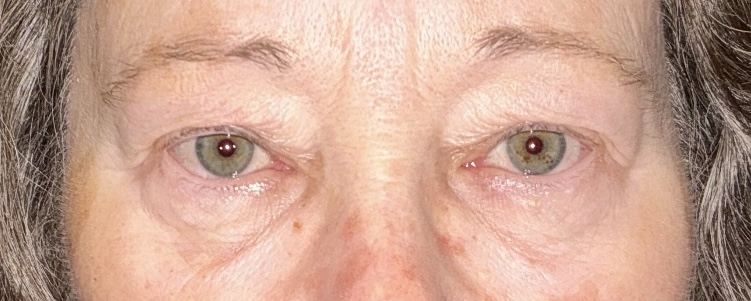
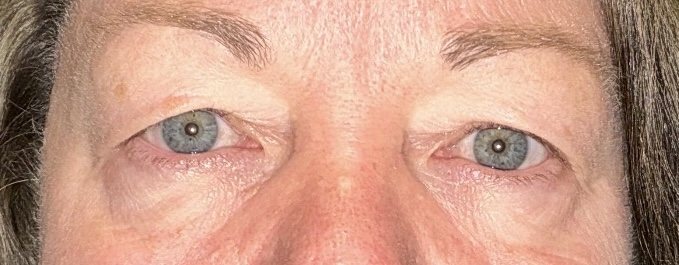
For most adults with significant eyelid drooping, upper eyelid blepharoplasty is the most effective and durable option. During this procedure, the surgeon removes excess skin and, when necessary, repositions or tightens the levator muscle to restore the eyelid to its proper height. The incision is placed along the natural crease of the upper eyelid, so scarring is well-concealed once healed. When drooping has caused a measurable loss of vision, blepharoplasty may be covered by insurance, making it worth discussing during your consultation.
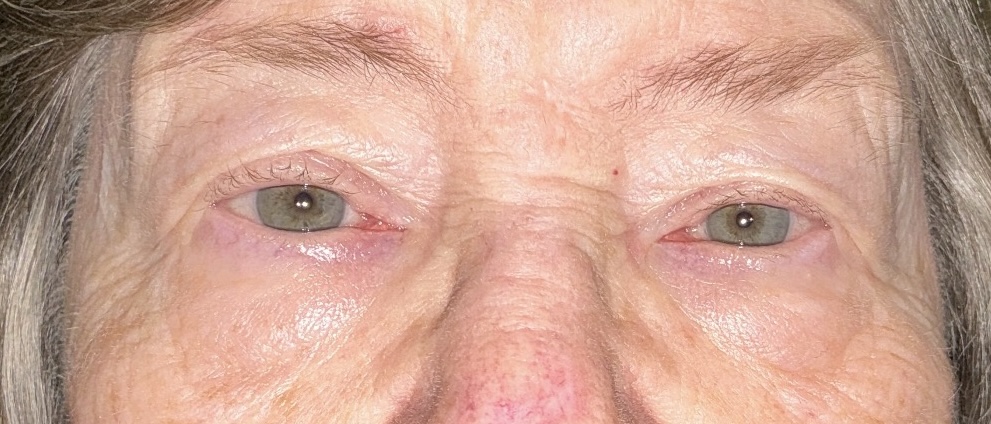
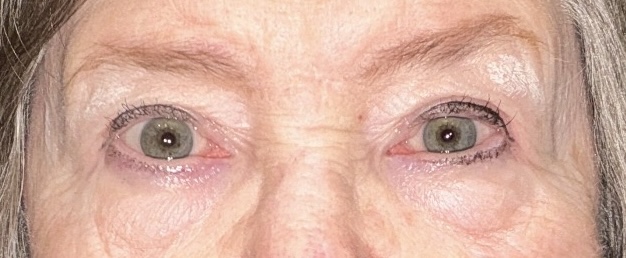
These photos show actual Cascade Eye & Skin Centers patients before and after upper eyelid blepharoplasty.
BeforeBefore
AfterAfter
What to Expect from Blepharoplasty at Cascade Eye & Skin Centers
For patients considering blepharoplasty, understanding the process from start to finish helps set realistic expectations and reduces uncertainty before the procedure. Most patients are surprised by how straightforward the experience is from consultation through recovery.
The Procedure, Step by Step
Consultation and evaluation: Your oculoplastic surgeon will examine your eyelid anatomy, review your medical history, and assess whether ptosis, excess skin, or both are present. If insurance coverage is being pursued, photographs and a visual field test documenting how much the drooping affects your vision may be completed at this stage.
Surgery day: Upper eyelid blepharoplasty is performed as an outpatient procedure, typically under local anesthesia with light sedation so you remain comfortable throughout. The procedure generally takes 45 minutes to an hour.
Incision and tissue removal: The surgeon makes a small incision along the natural crease of the upper eyelid, removes excess skin and any contributing fat, and tightens the levator muscle if ptosis repair is needed.
Closure: Fine sutures close the incision. These are usually removed during a follow-up visit within one to two weeks.
Recovery and Long-Term Results
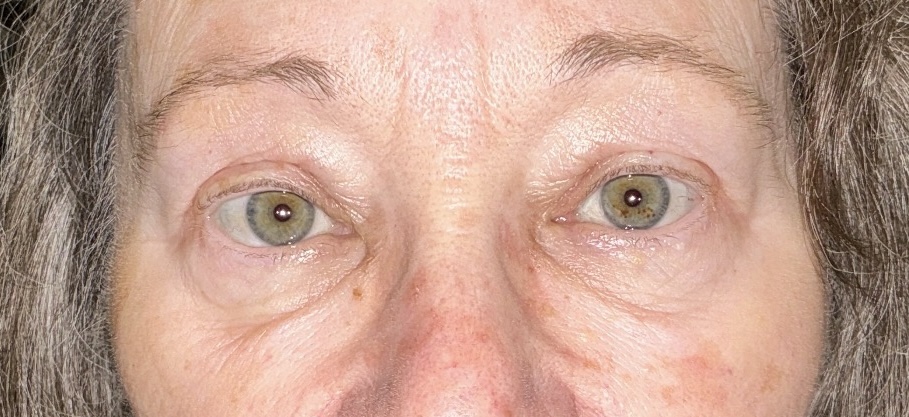
Most patients experience swelling and bruising in the first one to two weeks following surgery, which gradually resolves as the tissue settles. Applying cold compresses and keeping the head elevated during the first few days helps manage discomfort. It also reduces swelling more quickly. The majority of patients return to regular activities within two weeks, though final results become fully visible once all residual swelling has cleared, usually within a few months. The improvement is long-lasting; most patients do not require repeat treatment for many years, if ever.
These photos show actual Cascade Eye & Skin Centers patients before and after upper eyelid blepharoplasty.
Before
After
Getting Expert Care for Droopy Eyelids in Gig Harbor
Droopy eyelids are a condition you don’t have to simply accept, especially when effective, well-established treatment options are available. Whether your goal is clearer vision, a more rested appearance, or both, an evaluation with a qualified oculoplastic specialist will give you the information you need to make a confident decision.
At Cascade Eye & Skin Centers, our oculoplastic surgeons, Aimee N. Lam, MD, and Vladimir S. Yakopson, MD, FACS, bring specialized expertise to eyelid conditions of all kinds. Serving patients throughout the South Sound, including Gig Harbor, Auburn, Bonney Lake, Puyallup, Sunrise, and University Place, we’re here to help you see clearly and feel confident again.
If you are an existing patient looking to pay a bill, access medical records, view lab results, or communicate with staff, please visit our patient portal for these services. You can also check out our patient portal overview page for additional information.
Get Started with Cascade
Contact Cascade Eye & Skin Centers, P.C. today to learn more about eye and skin care from the experts.
Please note, we do not offer online scheduling for the eye specialties listed below, only for routine eye exams. Please use the following numbers to schedule specialty eye appointments or to place an order:
LASIK•Refractive Surgery•Cataracts•Eyelid Surgery (Dr. Lam): 253-671-2020
If you are an existing patient looking to refill a prescription, pay a bill, access medical records, view lab results, or communicate with staff, please visit our patient portal for these services. You can also check out our patient portal overview page for additional information.