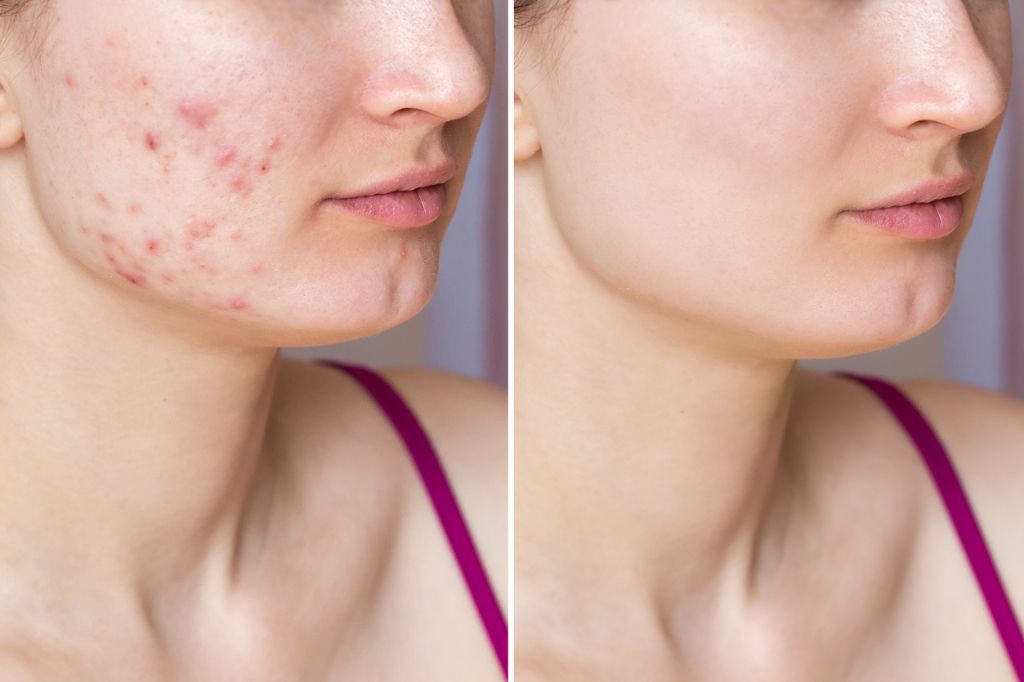
Acne is frustrating enough on its own, but the marks it leaves behind can feel just as difficult to deal with. Even after breakouts clear up, many people are left with spots, discoloration, and textural changes that linger for months or, in some cases, years. If you’ve tried fading creams with minimal results or wondered whether anything actually works, you’re not alone.
The good news is that modern aesthetics offers a wide range of effective options for treating acne scars, from targeted skincare ingredients you can use at home to in-office procedures that deliver dramatic results. The right approach depends on the type of scars you have, your skin tone, and how deep the damage goes. Understanding those differences is the first step toward real, lasting improvement. At Cascade Eye & Skin Centers, our aesthetics team works with patients every day to address acne scarring with treatments tailored to their specific skin. Whether your scars are mild or severe, there are options worth exploring.

What Are Acne Scars, and Why Do They Form?
Not every mark left by a pimple is the same, and treating acne scars effectively starts with knowing exactly what you’re dealing with. Different types of scarring respond to different treatments, so a one-size-fits-all approach rarely delivers the best results.
Atrophic Scars vs. Post-Inflammatory Hyperpigmentation
Acne scars fall into two broad categories. The first is post-inflammatory hyperpigmentation (PIH), which refers to flat, discolored spots ranging from pink to brown to deep purple that appear after a pimple heals. These aren’t true scars in the structural sense; they’re a pigmentation response triggered by inflammation. For many people, PIH fades on its own over time, though that process can take six months to two years without treatment.
True acne scars, by contrast, involve changes to the skin’s texture and structure. Atrophic scars are the most common type and form when the skin loses tissue during healing. These include icepick scars, which are narrow and deep; boxcar scars, which have defined edges and a wider base; and rolling scars, which create an uneven, wave-like surface. Raised hypertrophic scars, which form from excess collagen, are less common with acne but do occur.
Why Some Skin Scars More Than Others
Scarring severity varies from person to person, and several factors influence how your skin heals after a breakout. Inflammatory acne, including cysts and nodules that penetrate deep into the skin, carries a much higher risk of permanent scarring than surface-level whiteheads or blackheads. Picking or squeezing blemishes also significantly increases the chance of lasting marks by introducing additional trauma and bacteria into the skin.
Genetics plays a role as well. Some people are simply more prone to scarring due to how their skin produces collagen during the repair process. Delaying acne treatment can compound the problem, since repeated cycles of inflammation in the same area break down more collagen over time.
Professional Treatments That Actually Work for Acne Scars
For moderate to severe acne scarring, over-the-counter products can only do so much. Professional treatments reach deeper into the skin and stimulate structural changes that topicals simply cannot achieve. Your skin care provider can assess your scar type and recommend the best path forward.
Laser Resurfacing and Microneedling
Laser treatments are among the most effective options available for textural acne scars. Ablative lasers remove the outer layers of skin and stimulate collagen production during healing, while non-ablative lasers work beneath the surface without removing skin, making them a lower-downtime option for milder scarring. Research consistently shows that fractional laser resurfacing produces significant improvement in atrophic acne scars. Fraxel Restore, available at Cascade Eye & Skin Centers, targets texture, fine lines, and acne scarring by stimulating the skin’s natural healing response deep below the surface.
For patients seeking a less intensive but equally targeted option, Microneedling uses fine needles to trigger the skin’s natural healing response and encourage new collagen formation in areas where scarring has caused tissue loss. RF Microneedling builds on that same approach by adding radiofrequency energy to remodel the deeper layers of skin with even greater collagen stimulation and minimal downtime.
These treatments work well together, and many patients benefit most from a combination approach built around their specific scar type and skin goals.
Chemical Peels and Dermal Fillers
Chemical peels use acids, such as glycolic, salicylic, or trichloroacetic acid (TCA), to remove damaged surface layers and reveal smoother skin underneath. Lighter peels address discoloration and mild textural changes, while medium-depth peels reach the dermis and can improve more pronounced scarring. A series of treatments typically produces the best results, and your skin care provider will match the peel strength to your skin’s needs.
For deep, depressed scars that haven’t responded to resurfacing treatments, dermal fillers offer another option. Hyaluronic acid fillers can temporarily plump up icepick and boxcar scars from below, evening out the skin’s surface. While not a permanent fix, fillers provide noticeable improvement and pair particularly well with collagen-stimulating treatments for patients seeking to address both texture and volume loss simultaneously.
Building a Skincare Routine That Supports Acne Scar Healing
Professional treatments work best when paired with a consistent at-home routine that supports healing and prevents new damage. The right ingredients can accelerate fading, protect your results, and prepare your skin for in-office procedures.
The Ingredients Worth Your Attention
A few evidence-backed ingredients stand out when it comes to fading acne scars and improving skin texture:
- Retinoids (prescription tretinoin or over-the-counter retinol): Speed up cell turnover and stimulate collagen production. Topical retinoids are among the most well-researched ingredients for improving both PIH and atrophic scarring over time.
- Vitamin C: A potent antioxidant that inhibits excess melanin production and brightens post-inflammatory discoloration. Look for stabilized forms, such as L-ascorbic acid, at concentrations of 10 to 20 percent.
- Niacinamide: A form of vitamin B3 that reduces hyperpigmentation, strengthens the skin barrier, and calms inflammation. It’s well-tolerated even by sensitive skin.
- AHAs (glycolic and lactic acid): Chemical exfoliants that remove dead skin cells, improve texture, and help other active ingredients penetrate more effectively.
- Sunscreen (SPF 30 or higher): Non-negotiable. UV exposure darkens PIH significantly and slows the fading process. Daily broad-spectrum sun protection is the single most important step in any scar-treatment routine.
Daily Habits That Protect Your Progress That Protect Your Progress
Ingredients matter, but how you use them matters just as much. Introducing multiple actives at once can overwhelm your skin and cause irritation, so build your routine gradually. Start with one new product at a time, give your skin two to four weeks to adjust, and add the next step only once your skin is tolerating the current routine well.
Consistency is everything with scar treatment. Here’s a simple framework that works for many people:
- Cleanse gently in the morning and at night with a non-stripping, fragrance-free cleanser.
- Apply your active treatment (vitamin C in the morning; retinoid or AHA at night, not both at once).
- Moisturize to maintain the skin barrier and minimize irritation from active ingredients.
- Apply SPF 30 or higher every morning as the final step, regardless of whether you plan to spend time outdoors.
Avoid picking any active breakouts, which is the most direct way to prevent new scars from forming.
When to See a Skin Care Provider for Acne Scars
If your acne scars have persisted for more than 6 months without improvement, or if they’re affecting your confidence or daily life, a professional evaluation is a smart next step. A skilled aesthetic provider can accurately identify your scar types and design a treatment plan that addresses both active acne and existing scarring simultaneously.
Expert Acne Scar Care at Cascade Eye & Skin Centers
At Cascade Eye & Skin Centers, our aesthetics team provides comprehensive skin evaluations and a full range of acne scar treatments, from chemical peels and RF Microneedling to Fraxel Restore and Clear + Brilliant laser therapy. Serving patients throughout the South Sound, including Auburn, Bonney Lake, Gig Harbor, Puyallup, Sunrise, and University Place, we’re here to help you feel confident in your skin again. Schedule a consultation online today or call us at (253) 671-7203 to take the first step toward clearer, smoother skin.