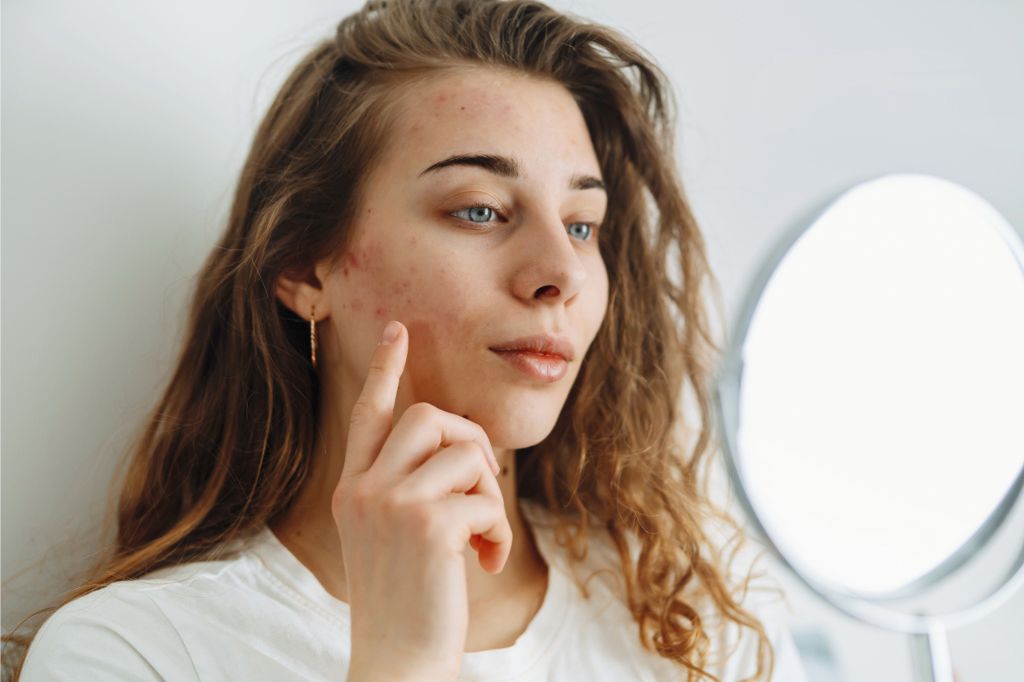
If you’ve ever dealt with the kind of breakout that sits deep under your skin, throbs with tenderness, and refuses to budge for weeks, you already know that cystic acne is in a category of its own. It doesn’t respond the way a typical pimple does, and for many people, it keeps coming back no matter how carefully they wash their face or how many products they try. That cycle of breakouts, frustration, and fading scars is exhausting, and it’s more common than most people realize.
Cystic acne is the most severe form of acne, and it affects millions of adults and teenagers alike. Understanding why it forms and which treatments are genuinely effective can save you months of trial and error with the wrong approach. This guide covers what you need to know about how to get rid of cystic acne, including what dermatologists actually recommend and what you can stop wasting time and money on.
At Cascade Eye & Skin Centers, our dermatology team regularly helps patients work through stubborn cystic breakouts with treatment plans built around their specific skin and health history. Whether you’ve been dealing with this for years or are just starting to notice deeper, more painful breakouts, the information below can point you in the right direction.

What Makes Cystic Acne Different From Other Breakouts
Most people assume acne is acne, but cystic acne develops differently and requires a different response than the surface-level blemishes. The root causes run deeper, and so do the consequences if it goes untreated for too long.
Why Cystic Acne Forms So Deep Under the Skin
Cystic acne begins the same way all acne does: excess oil, dead skin cells, and bacteria get trapped inside a pore. The difference is that in cystic acne, the infection spreads deeper into the skin, triggering a more intense immune response. The result is a large, fluid-filled cyst, the kind that feels firm or spongy to the touch and rarely has a visible head. Because the inflammation lies beneath the surface, popping or squeezing these cysts only pushes the infection deeper into surrounding tissue, often making them larger, more painful, and more likely to leave a permanent scar.
Who Is Most at Risk
Hormonal fluctuations are one of the most significant drivers of cystic acne, which is why it tends to flare around menstruation, pregnancy, and hormonal transitions like perimenopause. Elevated androgens, a group of hormones that includes testosterone, signal the skin’s oil glands to produce more sebum, the oily substance that feeds acne-causing bacteria. Genetics also plays a strong role; if one or both of your parents dealt with severe acne, your odds of experiencing it increase significantly. Stress, certain medications, and diet can all amplify the problem, but they rarely cause cystic acne on their own.
How to Get Rid of Cystic Acne: Treatments That Actually Work
Effective treatment for cystic acne almost always involves a dermatologist. Over-the-counter products simply cannot penetrate deeply enough to address the infection at its source, and waiting for severe acne to resolve on its own raises the risk of significant scarring. The good news is that several proven options exist, and most patients see meaningful improvement within a few months of starting the right regimen.
Prescription Options Your Dermatologist May Recommend
For moderate-to-severe cystic acne, dermatologists have several evidence-based tools available. Topical retinoids, vitamin A derivatives that accelerate cell turnover and prevent pores from clogging, are often a first-line treatment and work well in combination with topical antibiotics. Oral antibiotics like doxycycline reduce bacterial populations and calm inflammation, though they are generally used for limited periods to prevent antibiotic resistance. For patients with hormonal acne, oral contraceptives or spironolactone, a medication that blocks androgen activity in the skin, can produce dramatic improvements.
For patients who haven’t responded to other treatments, isotretinoin remains the most effective option available. This oral medication, commonly known by the brand name Accutane, works by shrinking oil glands and significantly reducing sebum production. Many patients experience long-term remission after a single course of treatment. It does require close medical supervision due to potential side effects, but for the right candidate, it can be life-changing.
In-Office Procedures That Speed Up Results
Some dermatologists offer additional in-office options that can accelerate improvement, especially for painful or persistent cysts. A cortisone injection, also called an intralesional steroid injection, delivers a small amount of corticosteroid directly into the cyst and often reduces swelling and tenderness within 24 to 48 hours. For patients with post-acne scarring, procedures such as chemical peels, microneedling, and laser resurfacing can improve skin texture over time. These are not standalone treatments for active acne, but they can be valuable additions to an overall plan once breakouts are under control.
What Won’t Clear Up Cystic Acne
Just as important as knowing what works is understanding what doesn’t. A lot of the products and strategies marketed for acne simply aren’t designed for cystic breakouts, and some can irritate the skin or delay proper treatment.
Over-the-Counter Products and Their Limits
Salicylic acid and benzoyl peroxide are effective for mild to moderate acne, particularly for blackheads, whiteheads, and surface-level pimples. For cystic acne, though, they don’t penetrate deeply enough to reach the source of the infection. Using these products aggressively, especially in high concentrations or multiple times daily, can strip the skin’s barrier, trigger more oil production, and worsen breakouts overall. Spot treatments, pore strips, and physical scrubs fall into the same category: they address surface symptoms without touching the underlying problem.
Habits That Accidentally Make Cystic Acne Worse
Several common habits can aggravate cystic acne without people realizing it:
- Picking or squeezing cysts, which drives bacteria deeper and significantly increases scarring risk
- Switching products too frequently, which prevents any single treatment from having enough time to work (most need at least six to eight weeks before results are visible)
- Using heavy, comedogenic skincare or makeup, which can clog pores further, even when the product is labeled “for acne-prone skin”
- Skipping sunscreen, particularly while on retinoids or other photosensitizing medications, can worsen both acne and post-inflammatory hyperpigmentation
Chronic sleep deprivation, which elevates cortisol and can trigger hormonal flares
Building a Daily Routine That Supports Clearer Skin
Prescription treatment does most of the heavy lifting, but a consistent daily routine creates the conditions your skin needs to heal. Think of it less as a cure and more as a supportive environment for the treatments that actually do the work.
Skincare Steps Worth Keeping Simple
A straightforward routine generally outperforms an elaborate one for cystic-prone skin. A gentle, non-foaming cleanser used twice daily removes excess oil without stripping the skin. A lightweight, oil-free moisturizer helps keep the skin barrier intact, which is especially important if you’re using prescription retinoids or topical antibiotics that tend to cause dryness. Broad-spectrum SPF 30 or higher worn every morning rounds out the basics. Adding too many active ingredients at once, particularly acids and retinoids, often causes more irritation than benefit.
Lifestyle Factors That Influence Breakouts
Research on diet and acne suggests that high-glycemic foods, those that spike blood sugar quickly, like white bread, sugary drinks, and processed snacks, may worsen acne severity in some people. Dairy has also been linked to increased breakouts for certain individuals, though the connection isn’t universal. Here are the lifestyle adjustments most consistently supported by evidence:
- Reduce high-glycemic foods and prioritize whole grains, vegetables, and lean proteins
- Stay consistently hydrated, since dehydration can compromise the skin barrier
- Prioritize sleep, aiming for seven to nine hours per night to keep cortisol levels in check
- Manage stress actively through exercise, mindfulness, or other approaches that work for your schedule
Change pillowcases at least once a week to limit bacteria and oil transfer to your face overnight
Get the Right Care for Cystic Acne at Cascade Eye & Skin Centers
Cystic acne is not a problem you have to manage alone, and it’s not something that most people can resolve with drugstore products and patience. The right prescription treatment, combined with a realistic daily routine and professional guidance, can make a real difference in both active breakouts and long-term skin health.
At Cascade Eye & Skin Centers, our dermatology team provides personalized evaluations and treatment plans for patients dealing with cystic acne and other challenging skin conditions. Serving patients throughout the South Sound, including Auburn, Bonney Lake, Gig Harbor, Puyallup, Sunrise, and University Place, we’re here to help you find an approach that actually works. Schedule an appointment online today and take the first step toward clearer, more comfortable skin.