Most adults who spend time outdoors eventually notice a few flat brown marks on their face, hands, or shoulders. Most are harmless, but sometimes a spot that looks like an ordinary sun spot turns out to be something more serious.
Understanding the sun spot vs melanoma question can help you act quickly when something seems off, since melanoma is one of the most serious skin cancers yet also one of the most treatable when found early. At Cascade Eye & Skin Centers, our dermatology team helps South Sound patients sort out which spots are simple sun damage and which ones need a closer look.
What Sets Sun Spots and Melanoma Apart
Both sun spots and melanoma begin in the pigment cells that give your skin its color, which is why they can look alike. The difference lies in how those cells behave over time.
What a Sun Spot Is
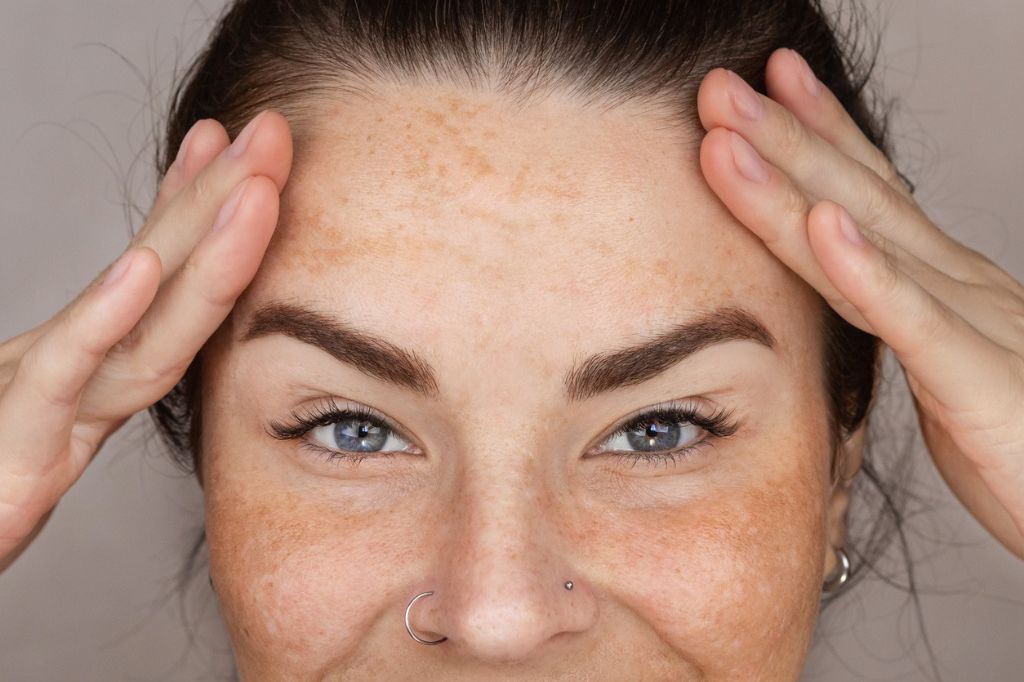
Sun spots, also called age spots or solar lentigines, are flat patches of extra pigment caused by long-term sun damage. They appear on the face, hands, chest, and shoulders, and a typical spot is round or oval, evenly colored, and smooth along the edge. Sun spots usually keep the same shape and color from year to year.
What Melanoma Is
Melanoma develops when pigment cells start to grow out of control. It can form inside an existing mole or appear as a new spot, even on skin that rarely sees the sun, and it tends to change over weeks or months. About 77 percent of melanomas are found before they spread, and five-year survival for localized melanoma is close to 100 percent.
Sun Spot vs Melanoma: Warning Signs to Know
A few simple guidelines can help you decide when a spot deserves professional attention. Dermatologists use these same tools during every skin check.
The ABCDEs of Melanoma
The ABCDEs of melanoma highlight the features that set a concerning spot apart:
- Asymmetry: One half of the spot does not match the other half.
- Border: The edges look ragged, notched, or blurry.
- Color: The spot has several shades, such as tan, brown, black, red, or blue.
- Diameter: The spot is wider than a pencil eraser, although some melanomas are smaller.
- Evolving: The spot is changing in size, shape, or color, or it starts to itch or bleed.
When a Sun Spot Is Hard to Read
Some melanomas can look like an age spot at first glance. One type, called lentigo maligna, often grows on sun-damaged facial skin in older adults, and early lentigo maligna can be difficult to tell apart from a sun spot even for experienced dermatologists. To get a better sense of what the spot is, a doctor may examine it with a lighted magnifier called a dermatoscope or recommend a small biopsy.
What to Do About a Suspicious Spot
Regular self-checks and professional exams work together to catch changes early. Here is how to stay on top of your skin.
How to Check Your Skin at Home
A monthly self-exam takes only a few minutes:
- Stand in front of a full-length mirror in a bright room and look over your front, back, and sides.
- Check your arms, underarms, palms, and the backs of your hands.
- Look at your legs, the soles of your feet, and the spaces between your toes.
- Use a hand mirror to check your neck, scalp, and back.
- Photograph any spots you want to track so you can compare them next month.
See a Dermatologist Before Treating Spots
If a spot looks new, different, or is changing, a full-body skin exam is the best next step. Fading creams and cosmetic procedures can lighten a skin cancer as easily as a sun spot, so dermatologists recommend a skin exam before treating age spots. Once your spots are cleared, IPL photofacials and chemical peels can even out your skin tone, while daily SPF 30 sunscreen helps prevent new spots.
Get Your Spots Checked at Cascade Eye & Skin Centers
If a sun spot seems different from the rest or a new mark appears that you cannot explain, our dermatology team is ready to help with thorough skin exams, accurate diagnosis, and treatments ranging from cosmetic care to Mohs skin cancer surgery.
Serving patients throughout the South Sound, including Auburn, Bonney Lake, Gig Harbor, Puyallup, Sunrise, and University Place, we are here to help you protect your skin and your peace of mind. Schedule an appointment online today.