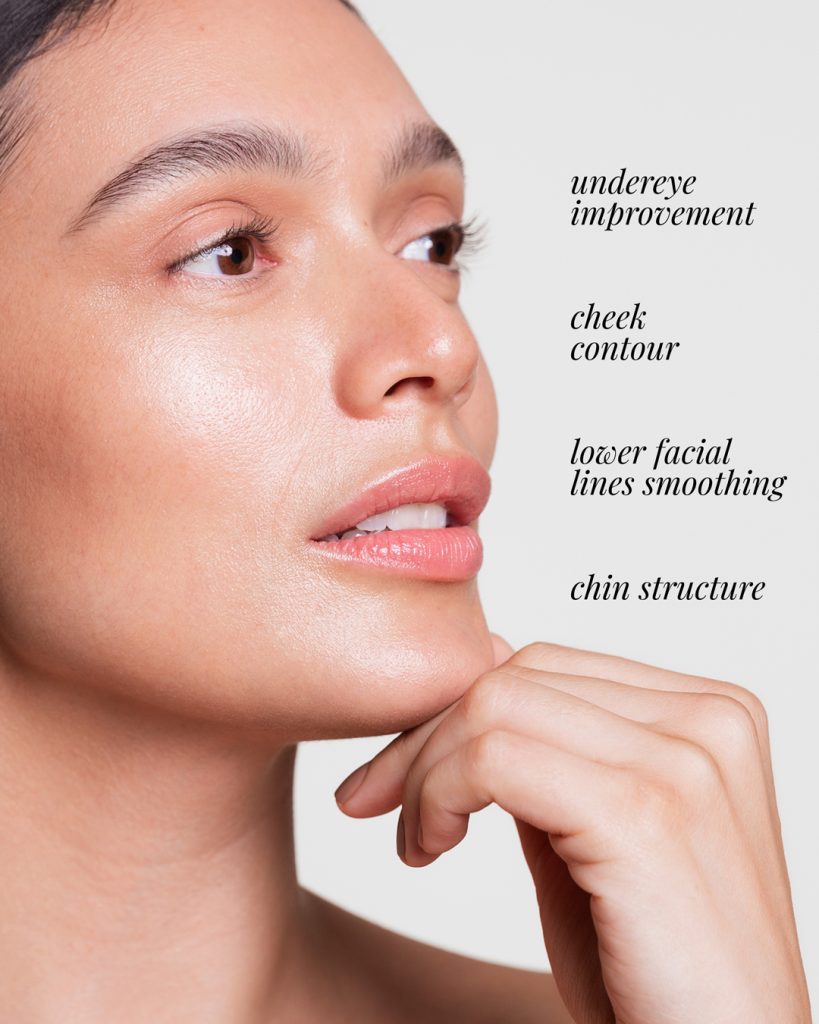
If you’ve been scrolling through social media lately, you’ve probably seen some alarming posts about dermal fillers: exaggerated features, “pillow face,” migration, or claims that fillers are dangerous and unnatural. It’s enough to make anyone hesitate before booking an appointment.
Here’s the reality: when performed by a skilled, experienced injector using FDA-approved products, dermal fillers are safe and can deliver beautifully natural results. The extreme, overdone looks you see online are not the norm; they’re the exception. And most importantly, they’re avoidable with the right approach.
At Cascade Eye & Skin Centers, we believe in restoring your natural beauty, not changing who you are. Our goal is to help you look refreshed, rested, and like the best version of yourself, not like someone else entirely. If you’ve been curious about dermal fillers but unsure where to start or what to believe, this guide will help you separate fact from fiction.

What Are Dermal Fillers?
Dermal fillers are injectable gel-like substances that are used to restore volume, smooth wrinkles, and enhance facial contours. Unlike wrinkle relaxers like Botox, Dysport or Daxxify, which relax muscles to reduce dynamic wrinkles (like frown lines and crow’s feet), dermal fillers physically fill in areas where volume has been lost or where additional structure is desired.
The Natural Aging Process
As we age, we naturally lose fat, bone density, and collagen in our faces, leading to hollowed cheeks, deeper nasolabial folds, thinning lips, and sagging skin.
Collagen and Volume Loss
- After age 25, collagen production decreases by about 1% each year.
- By your 40s, most people have lost up to 20% of facial collagen and fat volume.
- This gradual loss causes the cheeks, temples, lips, and under-eye areas to appear hollow or tired.
- Dermal fillers made with hyaluronic acid (HA) help restore this lost structure and encourage hydration and firmness from within.
Fat Pad Shifting
- With time, facial fat pads shrink and descend, especially in the mid-face.
- This leads to deeper nasolabial folds (“smile lines”) and marionette lines near the mouth.
- Fillers restore balance by replacing volume where fat pads have thinned, lifting and smoothing the overall facial shape.
Muscle and Bone Changes
- Facial muscles become thinner and less supportive, while repetitive expressions etch fine lines over time.
- Bone resorption (especially around the eyes, mouth, and jawline) subtly changes facial structure.
- Fillers strategically placed along these support areas rebuild youthful structure and soften harsh transitions.
Skin Elasticity Decline
- With aging, elastin fibers weaken and skin loses its bounce.
- Fillers improve the skin’s appearance by supporting it from beneath, reducing sagging and fine lines.
- HA-based fillers also attract and retain moisture, leaving the skin plumper, smoother, and more radiant.
Why Fillers Matter
Think of fillers as a way to replace what time, gravity, and aging have taken away. They restore lost volume and provide support to the overlying skin, resulting in a more youthful-looking appearance; they do not alter who you are.
The Science Behind Hyaluronic Acid Fillers
The most common type of dermal filler is made from hyaluronic acid (HA), a naturally occurring substance found in your skin, connective tissues, and eyes. Hyaluronic acid acts like a sponge, attracting and holding moisture to keep your skin hydrated, plump, and supple.
HA-based fillers are considered the gold standard in aesthetic medicine for several reasons:
- Biocompatible: Since hyaluronic acid occurs naturally in the body, allergic reactions are extremely rare.
- Reversible: If you’re not satisfied with the results, HA fillers can be dissolved with an enzyme called hyaluronidase.
- Gradual breakdown: HA fillers are metabolized naturally by the body over time, with results typically lasting 6-18 months, depending on the product and area treated.
- Versatile: Different formulations of HA fillers have varying thicknesses and properties, making them suitable for everything from delicate lip enhancement to deep volume restoration in the cheeks.
Common FDA-approved hyaluronic acid fillers include Juvederm, Restalyne, and RHA. Each has unique properties that make it ideal for specific treatment areas and goals.
Where Can Dermal Fillers Be Used?
Dermal fillers are incredibly versatile and can address a wide range of aesthetic concerns. Here are some of the most popular treatment areas:
Lip Fillers
Lip fillers are one of the most requested treatments, and for good reason. Whether you want to add subtle volume, enhance your lip shape, smooth vertical lip lines, or restore fullness that’s diminished with age, lip fillers can help you achieve balanced, natural-looking results.
The key to beautiful lip enhancement is moderation and proportion. A skilled injector will consider your facial anatomy, natural lip shape, and personal goals to create results that complement your features rather than overpower them.
Cheek Filler
Cheek filler can restore youthful volume to the midface, lift sagging skin, and enhance your natural bone structure. As we age, the fat pads in our cheeks descend and deflate, leading to a hollow, tired appearance. Strategically placed cheek filler can reverse these changes, creating a lifted, refreshed look without surgery.
Cheek augmentation with fillers can also improve the appearance of nasolabial folds (the lines running from the nose to the corners of the mouth) by providing structural support from above.
Chin Filler
Chin filler can improve facial balance and profile by adding projection to a weak or recessed chin. A well-defined chin enhances the jawline and can make the face appear more sculpted and proportionate. For patients who feel their chin lacks definition or who want to improve their side profile, chin filler offers a non-surgical solution with immediate results.
Treating Wrinkles and Fine Lines
Dermal fillers can effectively smooth static wrinkles, the lines that are visible even when your face is at rest. Common areas include:
- Nasolabial folds (smile lines)
- Marionette lines (lines running from the corners of the mouth to the chin)
- Vertical lip lines (smoker’s lines)
- Under-eye hollows and tear troughs
- Forehead lines (when appropriate)
Fillers can also be used to smooth the appearance of acne scars and improve overall skin texture in certain cases.
Other Treatment Areas
Beyond the most common uses, dermal fillers can also:
- Enhance the temples to restore lost volume
- Smooth the jawline and reduce jowling
- Improve the appearance of the hands
- Reshape or straighten the nose (non-surgical rhinoplasty)
- Fill in earlobe creases or add volume to stretched earlobes
How Long Do Dermal Fillers Last?
One of the most common questions patients ask is: how long do dermal fillers last? The answer depends on several factors, including the type of filler used, the area treated, your metabolism, and your lifestyle.
Here’s a general breakdown:
- Lips: 6-12 months (lips are highly mobile, so filler breaks down faster here)
- Nasolabial folds and marionette lines: 9-12 months
- Cheeks: 12-18 months (deeper placement and less movement mean longer-lasting results)
- Chin and jawline: 12-18 months
- Under-eye area: 12-18 months
- Temples: 12-18 months
It’s important to note that while the filler gradually breaks down, the results don’t just disappear overnight. You’ll notice a gradual softening over time, and many patients choose to schedule touch-up appointments before the filler is completely gone to maintain their results.
Factors that can affect how long your filler lasts include:
- Metabolism: People with faster metabolisms may break down filler more quickly.
- Lifestyle: High-intensity exercise, sun exposure, and smoking may accelerate filler breakdown.
- Technique: Proper placement and the right product selection by an experienced injector can maximize longevity.
Debunking Common Myths About Dermal Fillers
Let’s address some of the most pervasive myths and misconceptions about dermal fillers that you may have seen online.
Fillers: Myth vs Fact
| Fillers make you look fake or overdone. |
When injected by skilled professionals, fillers restore volume subtly; most patients simply look refreshed. |
| Fillers are permanent. |
Most HA fillers naturally dissolve over 6-18 months. |
| Fillers stretch your skin. |
Fillers hydrate and support the skin. When they fade, your skin returns to its baseline. |
| Fillers are unsafe or toxic. |
Medical-grade fillers are non-toxic and mimic natural substances found in the body. |
| Social media shows fillers gone wrong. |
Complications are rare when done by licensed providers using FDA-approved products. |
| You can get fillers anywhere. |
Fillers should only be injected in a clinical setting by licensed medical professionals. |
Choosing the Right Provider for Dermal Fillers
One of the most important decisions you’ll make when considering dermal fillers is choosing your injector. Not all providers are created equal, and the skill and experience of your injector can make all the difference between beautiful, natural results and an outcome you regret.
Here’s what to look for:
Medical Training and Credentials
Your injector should be a licensed medical professional, such as a dermatologist, facial plastic surgeon, or trained nurse practitioner or physician assistant working under physician supervision. At Cascade Eye & Skin Centers, our injectors are highly trained and experienced in facial anatomy and aesthetic medicine.
Experience and Artistry
Look for an injector who has extensive experience with dermal fillers and a portfolio of before-and-after photos that align with the aesthetic you’re hoping to achieve. A skilled injector understands facial proportions, symmetry, and the nuances of different filler products.
Conservative Approach
A good injector will prioritize natural-looking results and won’t push you to do more than necessary. They should listen to your concerns, understand your goals, and create a customized treatment plan that enhances your natural beauty.
Transparency and Safety
Your provider should be transparent about the products they use (only FDA-approved fillers), discuss potential risks and side effects, and ensure you feel comfortable and informed before proceeding with treatment.
Get Natural, Beautiful Results with Dermal Fillers at Cascade Eye & Skin Centers
If you’ve been curious about dermal fillers but hesitant due to misinformation or fear of looking overdone, we’re here to help. At Cascade Eye & Skin Centers, we specialize in natural-looking enhancements that restore your confidence without changing who you are.
Our experienced injectors take a personalized, conservative approach to every treatment, ensuring you achieve results that are subtle, beautiful, and uniquely yours. Serving patients throughout the South Sound, including Auburn, Bonney Lake, Gig Harbor, Puyallup, Sunrise, and University Place, we’re committed to helping you look and feel your best.
Ready to learn more or schedule a consultation? Book your appointment today and discover how dermal fillers can help you achieve a refreshed, youthful appearance with confidence.