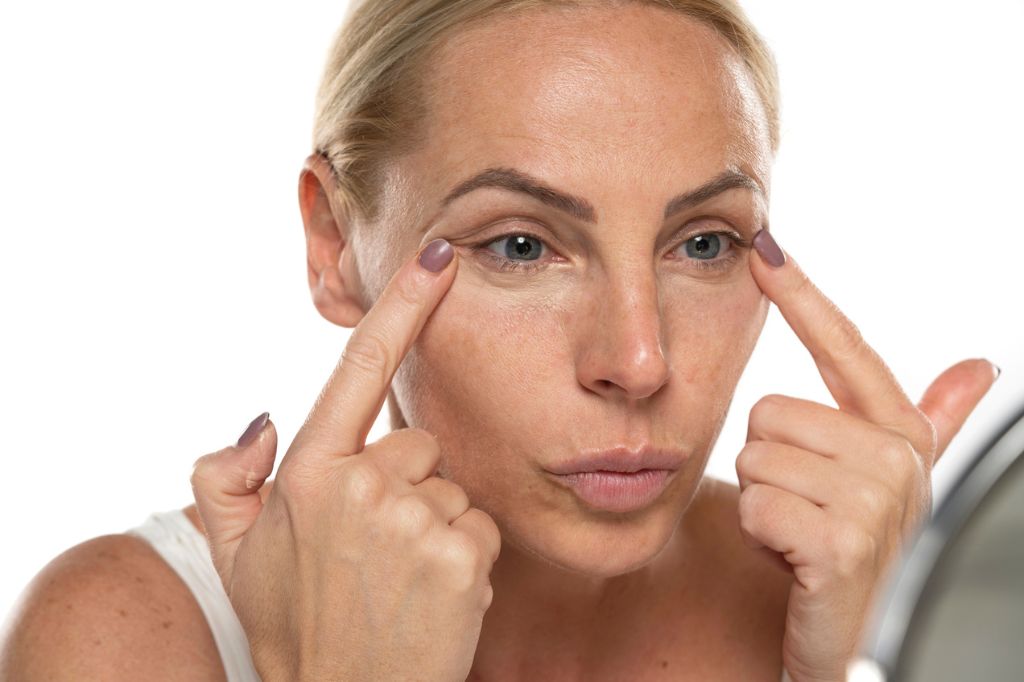
If the delicate skin around your eyes feels tight, flaky, or irritated, you’re not alone. The eye area is one of the most sensitive parts of your face, and it’s often the first place to show signs of dryness, irritation, or aging. Whether you’re dealing with occasional flakiness or chronic discomfort, dry skin around the eyes can be frustrating, uncomfortable, and sometimes even painful.
At Cascade Eye & Skin Centers, our dermatology team understands that the skin around your eyes requires special care and attention. With the right approach, you can restore comfort, hydration, and a healthy appearance to this delicate area.

Why Is the Skin Around Your Eyes So Sensitive?
The skin around your eyes is thinner and more delicate than the skin on the rest of your face. This means it has fewer oil glands, less collagen and elastin, and a weaker moisture barrier, making it more vulnerable to dryness, irritation, and environmental damage.
Add to that the constant movement from blinking, squinting, and facial expressions, plus exposure to makeup, skincare products, and environmental irritants, and it’s no wonder this area is prone to problems.
8 Common Causes of Dry Skin Around the Eyes
1. Eczema Around Eyes (Atopic Dermatitis)
Eczema is one of the most frequent causes of dry, itchy, inflamed skin around the eyes. When eczema affects the eyelids or the area around the eyes, it’s called eyelid dermatitis or periocular dermatitis. This condition can cause:
- Red, inflamed patches
- Intense itching
- Flaking or scaling
- Swelling, especially after rubbing
- Thickened skin from chronic scratching
Eczema around the eyes can be triggered by allergens, stress, weather changes, or underlying skin conditions. If you have a history of eczema elsewhere on your body, you’re more likely to experience it around your eyes as well.
2. Contact Dermatitis
Contact dermatitis occurs when your skin reacts to something it has come into contact with. This can be an irritant (like harsh cleansers or soaps) or an allergen (like fragrances, preservatives, or metals in makeup).
Common triggers for contact dermatitis around the eyes include:
- Eye makeup (mascara, eyeliner, eyeshadow)
- Makeup removers and cleansers
- Fragranced skincare products
- Sunscreen that migrates into the eye area
- Hair dye or haircare products
- Nail polish (transferred by touching your face)
- Nickel in eyelash curlers or eyeglass frames
Contact dermatitis typically appears within hours to days of exposure and may improve when you stop using the offending product.
3. Seborrheic Dermatitis
Seborrheic dermatitis is a chronic inflammatory condition that causes red, scaly, greasy patches, often around the eyebrows, eyelids, and nose. It’s thought to be related to an overgrowth of yeast on the skin and an immune system response.
Symptoms around the eyes may include:
- Flaky, greasy scales on the eyelids or brows
- Redness along the eyelid margins
- Itching or burning
- Crusting, especially in the morning
This condition tends to flare during stress, cold weather, or when the immune system is compromised.
4. Dry Air and Environmental Factors
Low humidity, cold weather, wind, and indoor heating can all strip moisture from the already-thin skin around your eyes. Environmental dryness is a common cause of seasonal flakiness and tightness, especially during winter months.
Air conditioning, airplane cabins, and even prolonged screen time (which reduces blinking) can also contribute to dryness in this area.
5. Aging and Loss of Natural Oils
As we age, our skin produces less oil, and the skin’s ability to retain moisture diminishes. The delicate eye area is often the first place to show these changes, leading to dryness, fine lines, and crepey texture.
6. Harsh Skincare Products
Using products that are too strong for the eye area, such as retinoids, exfoliating acids, or alcohol-based toners, can cause irritation and dryness. Even products intended for the rest of your face may be too harsh for the sensitive skin around your eyes.
7. Over-washing or Rubbing
Aggressively scrubbing your eyes to remove makeup or rubbing them due to allergies or tiredness can damage the delicate skin barrier and lead to dryness and irritation.
8. Underlying Health Conditions
Certain systemic conditions can contribute to dry skin around the eyes, including:
- Thyroid disorders
- Sjögren’s syndrome (an autoimmune condition that affects moisture-producing glands)
- Psoriasis
- Rosacea
If you have persistent dryness that doesn’t improve with basic skincare, it’s worth discussing with a dermatology provider.
What Does Dry Skin Around the Eyes Look Like?
Dry skin around the eyes can present in several ways, depending on the underlying cause:
- Flaky or scaly patches that may worsen with makeup application
- Redness or pink discoloration around the eyelids or under the eyes
- Tightness or discomfort, especially after washing your face
- Itching or burning that may worsen at night
- Crepey or wrinkled texture due to dehydration
- Swelling or puffiness from inflammation or rubbing
- Crusting, particularly along the lash line or in the inner corners
- Darkening or hyperpigmentation from chronic inflammation
If your symptoms are severe, persistent, or accompanied by pain, vision changes, or discharge, it’s important to see a dermatology or eye care provider for evaluation.
How to Treat Dry Skin Around the Eye Area
The treatment for dry skin around your eyes depends on the underlying cause, but there are several strategies that can help restore moisture, reduce irritation, and protect this delicate area.
1. Use a Gentle, Fragrance-free Cleanser
Avoid harsh soaps, foaming cleansers, and makeup removers that contain alcohol or strong surfactants. Choose a gentle, hydrating cleanser specifically formulated for sensitive skin, and be careful not to tug or pull at the eye area when cleansing.
For stubborn eye makeup, use a gentle micellar water or oil-based cleanser designed for the eyes.
2. Moisturize with an Eye Cream or Gentle Moisturizer
The eye area needs hydration and barrier protection. Look for a moisturizer or eye cream that contains:
- Hyaluronic acid to attract and hold moisture
- Ceramides to repair and strengthen the skin barrier
- Glycerin for hydration
- Niacinamide to calm inflammation and improve barrier function
- Petrolatum or dimethicone for occlusive protection
Apply your eye cream or moisturizer gently using your ring finger (which applies the least pressure) and pat, don’t rub, the product into the skin.
3. Avoid Irritants and Allergens
If you suspect contact dermatitis, identify and eliminate potential triggers. This may mean:
- Switching to fragrance-free, hypoallergenic skincare and makeup
- Using mineral-based sunscreens instead of chemical ones
- Avoiding waterproof mascara, which requires harsher removal
- Checking ingredient lists for common allergens like formaldehyde, parabens, and lanolin
Keep a skincare diary to help identify patterns between product use and flare-ups.
4. Treat Underlying Eczema or Dermatitis
If you have eczema around your eyes, a dermatology provider may recommend:
- Prescription topical corticosteroids (used cautiously and short-term on the eyelids)
- Calcineurin inhibitors like tacrolimus or pimecrolimus, which are safer for long-term use around the eyes
- Moisturizers and barrier repair creams to support healing
For seborrheic dermatitis, antifungal creams, medicated shampoos, or anti-inflammatory treatments may be prescribed.
5. Protect Your Skin Barrier
A compromised skin barrier makes dryness worse. Support your skin’s natural defenses by:
- Using lukewarm (not hot) water when washing your face
- Applying moisturizer to damp skin to lock in hydration
- Avoiding over-exfoliation around the eyes
- Using a humidifier in your home, especially during dry months
6. Be Mindful of Retinoids and Active Ingredients
If you use retinoids, vitamin C, or exfoliating acids on your face, keep them away from the eye area unless they’re specifically formulated for that zone. Apply these products carefully and consider using a protective barrier (like a gentle eye cream) around your eyes before applying actives to the rest of your face.
7. Wear Sunscreen Daily
Sun damage can worsen dryness and accelerate aging around the eyes. Use a mineral sunscreen with zinc oxide or titanium dioxide, which is less likely to irritate sensitive skin. Look for formulas specifically designed for the face and eye area.
8. Stay Hydrated and Support Overall Skin Health
Drinking plenty of water, eating a balanced diet rich in omega-3 fatty acids, and managing stress can all support healthier skin, including the delicate area around your eyes.
When to See a Dermatologist
While many cases of dry skin around the eyes can be managed with at-home care, there are times when professional evaluation and treatment are necessary:
- Symptoms persist despite consistent use of gentle skincare and moisturizers
- You experience severe itching, burning, or pain
- The skin is cracked, bleeding, or oozing
- You develop swelling, redness, or signs of infection
- Your vision is affected or your eyes are painful
- You suspect an allergic reaction but can’t identify the trigger
- The dryness is accompanied by other symptoms like joint pain or dry mouth (which could indicate an autoimmune condition)
At Cascade Eye & Skin Centers, our dermatology team can perform a thorough evaluation, identify the underlying cause of your dry skin, and create a personalized treatment plan to restore comfort and health to the eye area.
Medical-grade Skincare for Sensitive Skin Around Eyes
At Cascade Eye & Skin Centers, we offer medical-grade skincare products specifically formulated for sensitive skin, including the delicate eye area. These products are backed by science, free from common irritants, and designed to deliver real results.
Our team can help you select the right cleanser, moisturizer, and targeted treatments for your unique skin concerns, ensuring you’re using products that support, rather than compromise, your skin barrier.
Get Expert Care for Dry Skin at Cascade Eye & Skin Centers
If you’re struggling with persistent dryness, flakiness, or irritation around your eyes, you don’t have to keep guessing what’s causing it or cycling through products that don’t work. At Cascade Eye & Skin Centers, our dermatology team provides compassionate, expert care to diagnose and treat dry skin around the eyes.
From prescription treatments to personalized skincare recommendations, we’ll create a plan that addresses the root cause of your symptoms and helps you achieve healthier, more comfortable skin.
Serving patients throughout the South Sound, including Auburn, Bonney Lake, Gig Harbor, Puyallup, Sunrise, and University Place, we’re here to help you feel confident and comfortable in your skin.
Schedule a dermatology consultation today and take the first step toward relief.