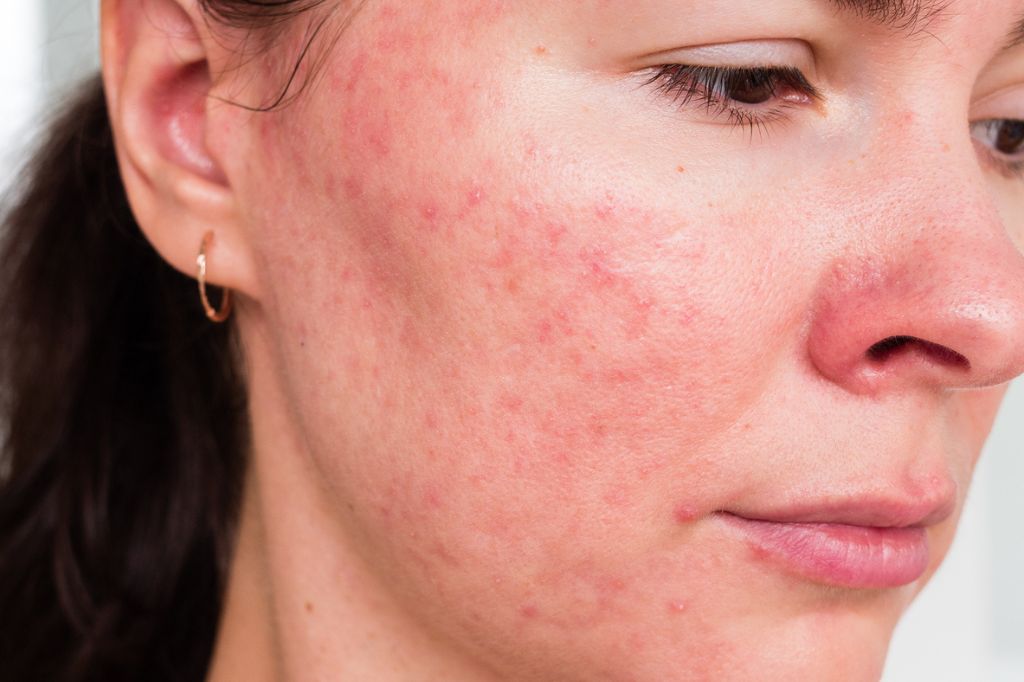
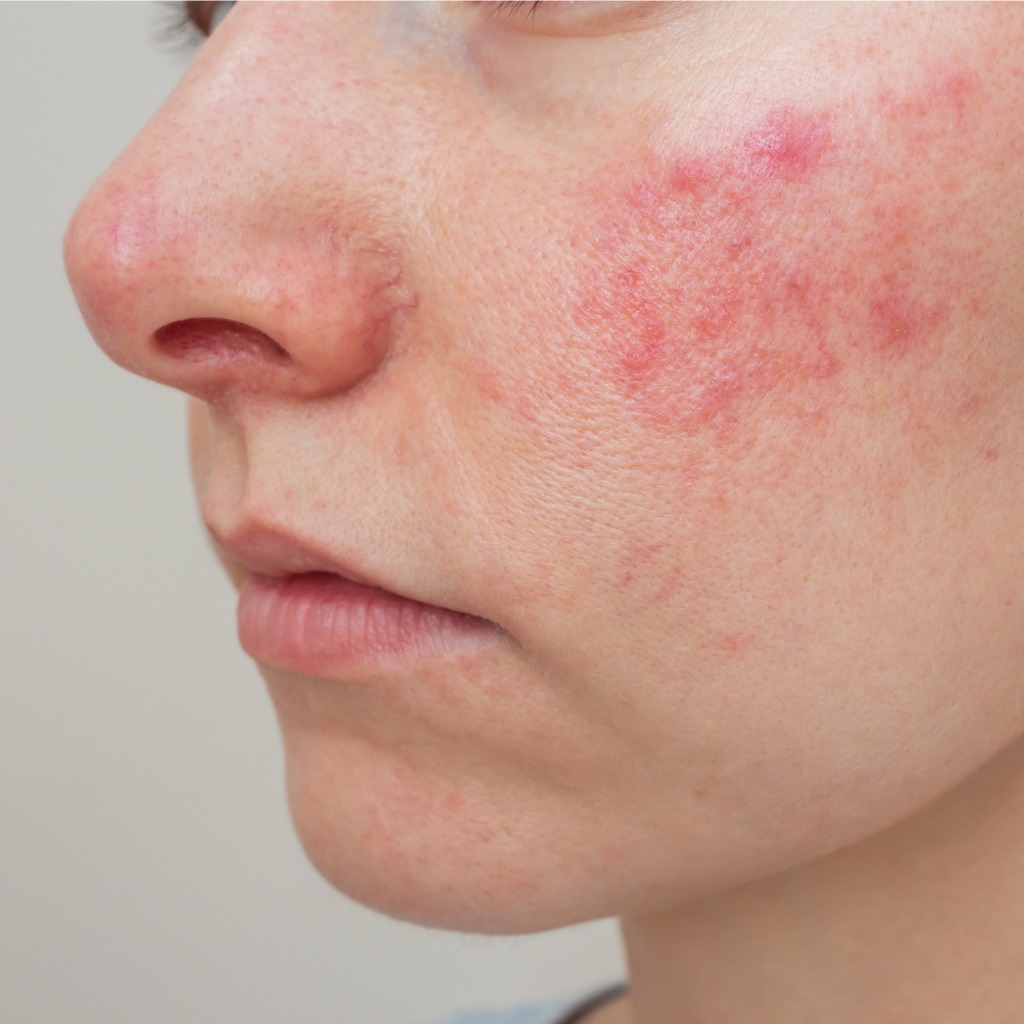
If you find yourself frequently dealing with persistent redness on your face, you’re not alone. Facial redness can range from a mild flush to chronic inflammation, and it can stem from several underlying causes, some more complex than others. At Cascade Eye & Skin Centers, our dermatology team works closely with patients to identify what’s behind their redness and recommend treatments that deliver real, visible results.
Whether you’re experiencing occasional flare-ups or constant redness that won’t go away, this guide will help you better understand what’s happening and how to calm your skin.
What Causes Redness on the Face?
Redness is often the skin’s response to inflammation, irritation, or overactive blood vessels, but the underlying cause can vary widely.
2. Sensitive Skin or Irritant Reactions
Some people simply have more reactive skin than others. Overuse of exfoliants, harsh cleansers, or fragranced products can lead to redness, stinging, and inflammation.
Best approach: Gentle, fragrance-free skincare with barrier-repairing ingredients like ceramides and niacinamide can help calm irritation and reduce flare-ups. Click here to explore our skincare guide for sensitive skin.
3. Sun Damage
UV exposure doesn’t just lead to sunburn; it can also cause chronic redness and broken capillaries over time, especially in fair-skinned individuals.
Best approach: Daily use of a broad-spectrum SPF 30+ is essential. For more advanced sun damage, we may recommend laser therapies or medical-grade skincare to target redness and pigmentation.
5. Allergic Reactions
Contact dermatitis (a type of allergic reaction) can cause redness, swelling, and sometimes a rash. Common culprits include certain skincare ingredients, laundry detergents, or environmental allergens.
Best approach: Identify and remove the trigger, soothe the skin with barrier-repairing products, and in some cases, use a topical steroid under professional guidance.
6. Flushing Due to Heat, Exercise, or Alcohol
If your skin turns red easily when you’re warm or drinking alcohol, you may have a vascular sensitivity. While not dangerous, it can feel uncomfortable or become more noticeable over time.
Best approach: Avoid known triggers when possible. Skincare with calming ingredients like green tea extract or azelaic acid may help, and laser therapy can reduce visible vessels.
7. Seborrheic Dermatitis
This is a condition that causes redness, flaking, and sometimes greasy patches, often around the nose, eyebrows, and hairline. It’s thought to be related to yeast overgrowth on the skin and an overreaction from the immune system.
Best approach: Medicated shampoos, antifungal creams, and anti-inflammatory treatments prescribed by a dermatologist can help manage flare-ups.
Medical and Cosmetic Treatments for Redness on the Face
If facial redness is persistent or interfering with your daily comfort and confidence, it may be time to explore professional treatment options. At Cascade Eye & Skin Centers, we offer both medical and cosmetic solutions to help reduce redness and restore a more even, calm complexion.
Prescription Topicals
For conditions like rosacea, seborrheic dermatitis, or post-inflammatory redness, prescription creams or gels may be recommended. These may include:
- Topical anti-inflammatories to reduce swelling and redness
- Azelaic acid or metronidazole, both commonly used in treating rosacea
- Calcineurin inhibitors for inflammatory skin conditions where steroids are not preferred
These treatments are typically part of a long-term management plan tailored to your specific diagnosis.
Laser Therapies
Intense Pulsed Light (IPL), Pulsed Dye Laser (PDL) and Excel V lasers are effective options for targeting visible blood vessels and chronic redness, especially in cases of rosacea or sun-damaged skin.
Hydrafacial and DiamondGlow
For patients seeking cosmetic rejuvenation while managing redness, these advanced facials offer a gentle, non-invasive option. Both Hydrafacial and DiamondGlow cleanse, exfoliate, and hydrate the skin while minimizing inflammation and promoting a brighter, more balanced appearance. They’re ideal for patients with mild redness or those looking to maintain results from other treatments.
Dermaplaning (as an Add-on Treatment)
Dermaplaning can be added to certain facials to remove dead skin cells and peach fuzz, improving product absorption and overall skin smoothness. While it doesn’t directly treat redness, it supports a healthier skin barrier when paired with calming products.
Get Expert Help for Facial Redness at Cascade Eye & Skin Centers
If you’re struggling with redness on your face, you don’t have to keep guessing what’s causing it. At Cascade Eye & Skin Centers, we offer medical-grade skincare, advanced in-office treatments, and compassionate care to help you feel confident in your skin again.
Click here to schedule a dermatology consultation today and let us help build a treatment plan tailored to your skin.